What to Know About Renting in Kampot
A practical guide to renting in Kampot, Cambodia. Understand costs, find properties, navigate leases, and avoid common pitfalls in this riverside town.
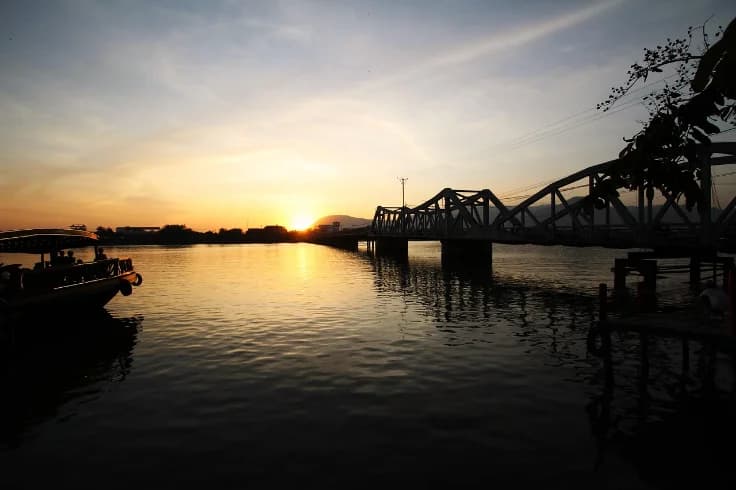
Renting in Kampot is a different experience from Cambodia's larger cities. The pace is slower, prices are lower, and the expat community is small enough that you'll recognize faces at the coffee shop within weeks. But the informal nature of the rental market here means knowing what to expect before you start looking. For more resources, see our complete renting guide.
What Kampot Rentals Are Really Like
Kampot's rental market is a mix of traditional Khmer houses, purpose-built bungalows, and newer developments catering to expats. Most properties come semi furnished with the basics: bed, wardrobe, table, chairs, and often a simple kitchen setup.
Air conditioning is common but only in bedrooms. Hot water heaters, WiFi, and basic appliances like fridges are typically included in semi furnished rentals.
Quality varies significantly. A $200/month house might have charming tiled floors and a garden, or it might have questionable plumbing and spotty electricity. Newer builds tend to be more reliable but lack character. Viewing properties in person is essential—photos rarely tell the full story.
How Much Does It Cost to Rent in Kampot?
Kampot remains one of Cambodia's most affordable rental markets. Here's what to expect:
| Property Type | Price Range | What You Get |
|---|---|---|
| Room/Studio | $100–$200 | Basic room, often shared facilities |
| 1-Bedroom | $200–$350 | Furnished, AC, private bathroom |
| 2-Bedroom House | $250–$450 | Garden, more space, often standalone |
| Villa | $400–$600+ | Pool access, premium location, modern finishes |
What affects price:
- Location: Central town and riverside command premiums; International Village and outskirts offer better value
- Amenities: Pool access, backup power, and modern kitchens add cost
- Lease length: Discounts of 10–20% are common for 6–12 month commitments
Deposits: Expect to pay 1–2 months upfront as a security deposit. This is usually returned when you leave, minus any damages, though getting it back can sometimes require persistence.
How to Find a Rental in Kampot
The Kampot rental market runs on word of mouth and legwork more than online listings. Here's where to look:
Walk or ride around. Many landlords simply put up a sign or tell their neighbors. Spend a day driving through areas you're interested in and you'll spot options that never appear online.
Facebook groups. Kampot Expats and Kampot Buy Sell Trade are active with rental listings. Properties get snapped up quickly, so check regularly.
Ask around. Mention you're looking at a few cafes and word spreads. The expat community is small, and someone usually knows someone with a place available.
Online listings. Browse Kampot rentals on phteah24 for verified listings with photos and accurate pricing.
Agents are rare. Unlike Phnom Penh, Kampot doesn't have a developed real estate agent market. Most agents posting on behalf of property owners are not registered and lack formal licenses.
Understanding Leases and Agreements
Kampot's rental market is informal. Many landlords operate on a handshake, and formal contracts are the exception rather than the rule. This flexibility works both ways—it's easy to leave, but you also have limited recourse if problems arise.
What to get in writing (even if it's just a simple document you both sign):
- Monthly rent amount and payment date
- Deposit amount and conditions for return
- Notice period required from both parties (typically 30 days)
- Who pays for repairs and maintenance
- What's included (furniture, utilities, WiFi)
Lease lengths: Month-to-month arrangements are common and accepted. Landlords often offer discounts for longer commitments—ask about 6 or 12-month rates.
Payment: Rent is almost always paid in US dollars. Most landlords accept transfers via QR payments. Pay on time and keep receipts or records of payments.
Tenant protections: Cambodia has minimal tenant protection laws. Your relationship with your landlord matters more than any contract. Choose someone communicative and reasonable—it'll save you headaches later.
Utilities and Monthly Bills
Budget for utilities on top of your rent. Here's what to expect:
Electricity: Metered at $0.20–$0.28 per kWh. With regular AC use, expect $40–$100+ per month. Fans-only households might pay $15–$30. This is typically your biggest variable cost.
Water: Usually cheap at $5–$15 per month, and sometimes included in rent.
Internet: Fiber is available in central Kampot from providers like Metfone and Smart, running $15–$25 per month for reliable speeds. Coverage gets patchy in outlying areas—ask about connectivity before signing.
Garbage collection: Often included in rent, or $2–$5 per month separately.
Total monthly running costs: Plan for $60–$150 on top of rent, depending on your AC habits and location.
Choosing the Right Area
Kampot spreads across several distinct zones, each with its own character, see our Kampot Neighborhood Guide for more in depth info:
Central Town puts you within walking distance of cafes, restaurants, and the riverside promenade. It's convenient but noisier, especially during festivals or weekends.
South Town and Fish Island offer a quieter alternative while staying close to the action. You can still walk to town but escape the busiest streets.
International Village (Phum Barang), about 5–10km from town toward Bokor Mountain, has developed a strong expat community with cafes, yoga studios, and social events. Great value, but you'll need a scooter.
Kep Road appeals to those who want space and easy access to Kep's beaches. Properties here tend to be larger with gardens, but you're dependent on wheels.
The key question: Do you have a scooter? If not, stick to central town or South Town. Kampot's public transport is limited, and tuk-tuks add up quickly if you're commuting daily.
Common Challenges and How to Handle Them
Power outages happen, especially in rainy season. A small UPS backup for your router and phone keeps you connected. Candles and a headlamp are useful to have around.
Flooding affects low-lying areas during heavy rains. Before signing, ask neighbors about drainage and check for water marks on walls. Avoid ground-floor units in flood-prone zones.
Noise comes from unexpected sources: temple ceremonies, wedding parties with massive speakers, karaoke bars, and roosters that don't respect sleeping hours. Visit properties at different times of day before committing.
Maintenance depends entirely on your landlord. Some respond quickly; others need persistent follow-up. Building a good relationship helps—a landlord who likes you is more likely to fix things promptly.
Low season isolation catches some people off guard. The expat population drops significantly from May to October. If you thrive on social activity, central town or International Village helps maintain connections year-round.
Before You Sign: Checklist
Take time to evaluate a property properly before committing:
- Visit at different times of day (morning, evening, weekend)
- Test water pressure in shower and kitchen
- Check that all electrical outlets work
- Ask about internet provider and test the speed if possible
- Meet the landlord and discuss expectations for repairs
- Clarify the notice period for both parties
- Take photos of any existing damage before moving in
- Confirm what's included in rent vs. paid separately
- Ask neighbors about flooding, noise, and the landlord's responsiveness
Find Your Kampot Rental
Kampot offers excellent value for renters willing to adapt to a slower pace and more informal market. The key is finding the right combination of location, landlord, and property type for your needs.
Take your time, view multiple properties, and don't be afraid to negotiate—especially for longer leases. The right place is worth waiting for.